

Libraries
Our lives are enriched by their presence and their facilities

Dear word explorer,
I’m repeating one of my most popular posts, ‘Libraries’ — originally written in November 2023 — tweaked, edited, and with an extra section on the history of libraries in Ireland for bonus material.
Most people have fond memories of libraries, so this article is an easy win… it’s also why the running joke in the Parks and Recreation TV series (Peacock) about the evil nature of libraries was such a fun gag.
What was your first library?
Generally, the first one is in your home. The selection of books your parents bought or read to you. Those early hardcovers with bright colours and big letters and their successors: the ones with longer sentences and fewer drawings.
But maybe you grew up in a house with no books, and you encountered the worlds hiding inside texts through your teachers or other relatives.
Perhaps you’re dyslexic. Maybe the idea of reading doesn’t fill you with joy. It’s a headache. Perhaps it was illustrated books or comics that encouraged you to explore books with less trepidation.
You could be an emigrant who was forced to adapt to a new alphabet and language when you were older. Books weren’t enjoyable — they were a struggle and reminded you of your difference. Perhaps you’re visually disabled, and it’s your fingertips over braille or audiobooks that allow you to read.
I write this as a reminder, because when you are an avid reader it’s remarkably easy to believe everyone considers books a joy. Yet within my own family there is a variety of interest in reading. My father, who I don’t remember lifting a book for fun when I was younger, became a dedicated reader after he retired. Despite a life-long disregard for technology, he listened when I suggested he start using an e-reader. I recommended it after seeing him holding a hefty hardback biography in his hands; physical books have their drawbacks as you age. Eventually, he realised the advantage of being able to travel with thousands of books in a lightweight device. He loved the adjustable font size and the backlight for easy reading at night.
Much to my surprise he even requested an upgrade a few years later. It fell to my mother to handle the tech details, such as sorting out online purchases, but my mother has always been a quick adapter to technology, as well as a lifelong, dedicated reader.
When I was a child, I enjoyed the nightly routine of her reading books to me, chapter by chapter. I also remember my impatience to improve my reading so I could complete that task on my own and at my own pace (as fast as possible!). I was eager to access the worlds within books. It must be a proud and forlorn experience to watch your children retire to their own spaces to read without assistance. It is a type of foreshadowing of the necessary separation between parents and children that happens incrementally as kids grow up.
We establish our individual tastes regarding the types of entertainment we enjoy — films, TV, books, music — to differentiate ourselves from the older generation (including any siblings).
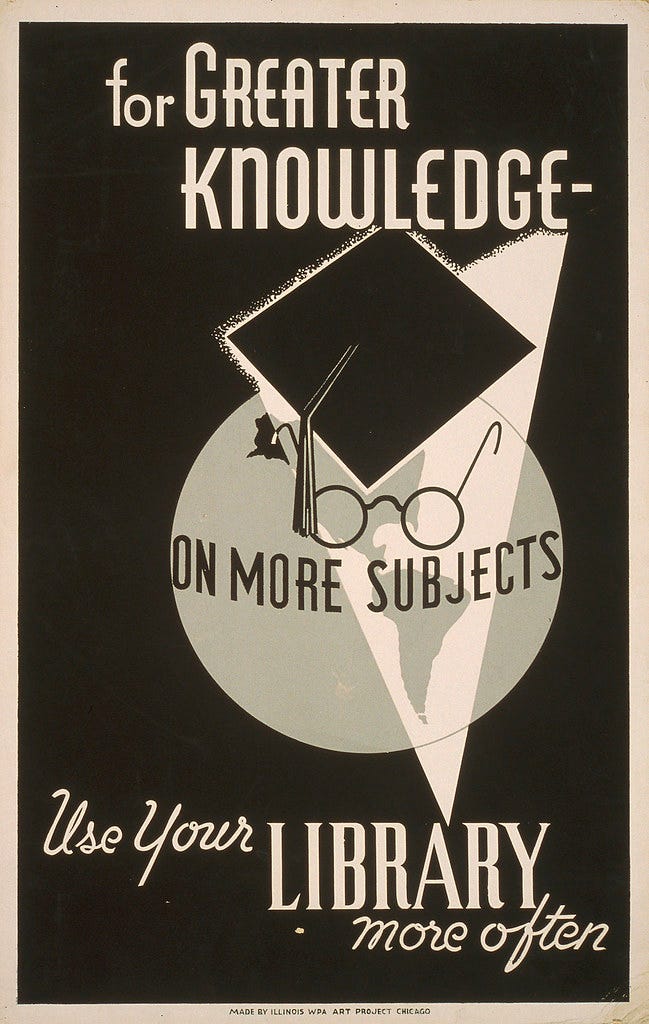
There was a limit to available books at home, but luckily, in my small town I lived next door to the library. It was ruled by a no-nonsense woman, who seemed scary, strict and ancient when I was eight years old (she was in her 40s!). I borrowed books often, and as a child who was keen to impress adults, I lived in fear of damaging the books or — insert an audible gasp of horror here — incurring a fine for returning them late.
Over the years her attitude towards me mellowed because librarians appreciate a kid who loves books. After reading everything of interest to me in the children’s section she allowed me early access to books in the ‘adult’ part of the library — which was the bulk of the place after all. She had to stamp each one so I wasn’t pouring over anything too risqué.
I was always reading above my recommended age range, and the books opened up my mind to the possibilities beyond my town and my country. I was eager to experience it. Later on I would save money and go on book-buying binges in bigger towns with a larger selection of titles. I remember travelling to Dublin via bus as a teen, buying an entire five-book fantasy series with my birthday money, and reading all of them within a week.
When my sister (also an avid reader) moved to America I often sent her a book list of science fiction and fantasy novels I could not obtain in Ireland. On her visits home she always had a few volumes tucked into her suitcase for me. She introduced me to Octavia E. Butler, a writer who was not well published on this side of the Atlantic. I often cite Butler’s Xenogenesis series as hugely influential to me as a teenager. Like the best science fiction it opened my mind to big questions about the nature of humanity and what happens when unannounced change arrives upon our shores.
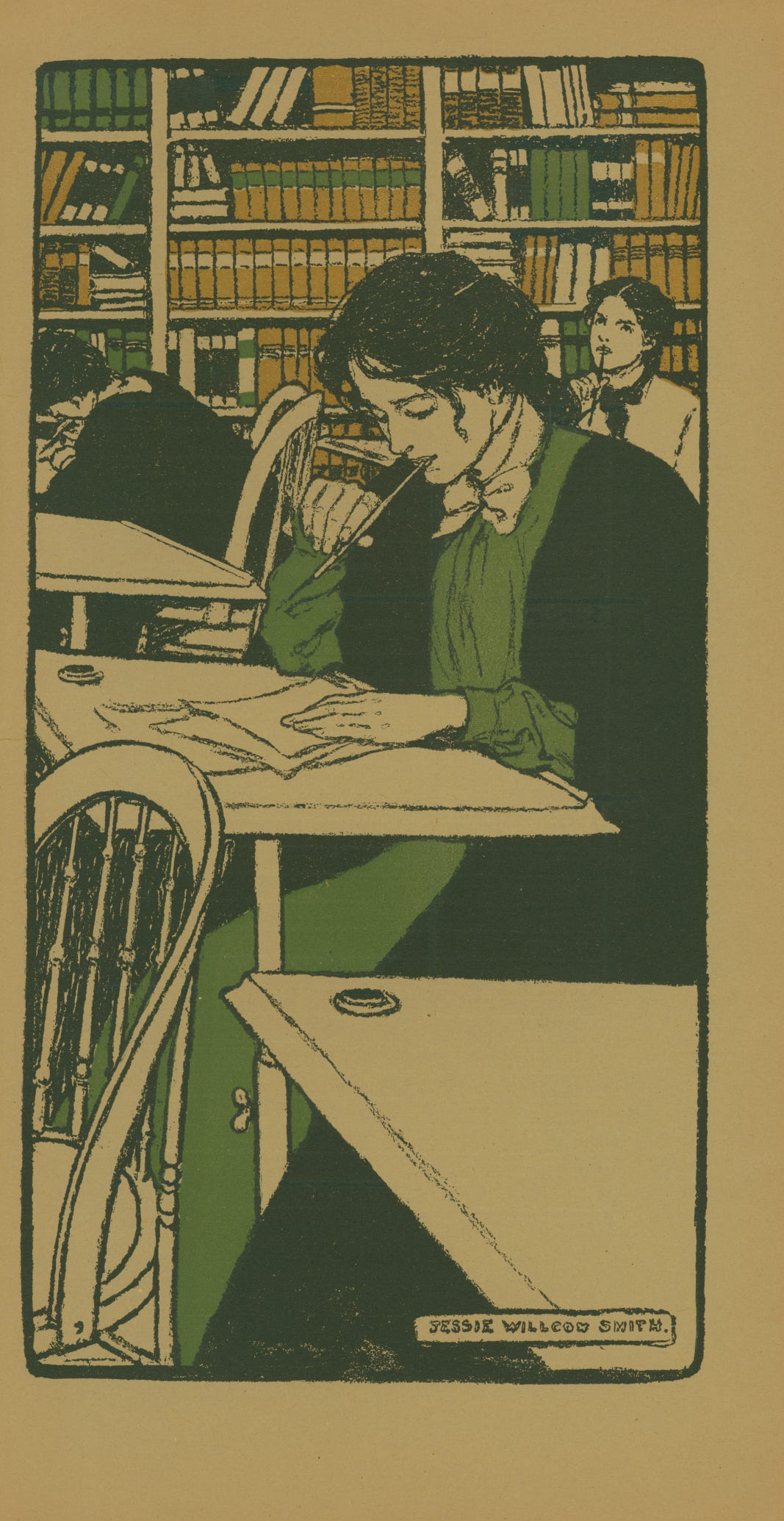
Along came university, and I studied history and English, so I lived in the library. I adored being able to take out ten books at a time, but of course it was never enough. I studied in the library throughout the year, because not only was it my sanctum sanctorum, it was warm and well lit since student accommodation wasn’t always so inviting.
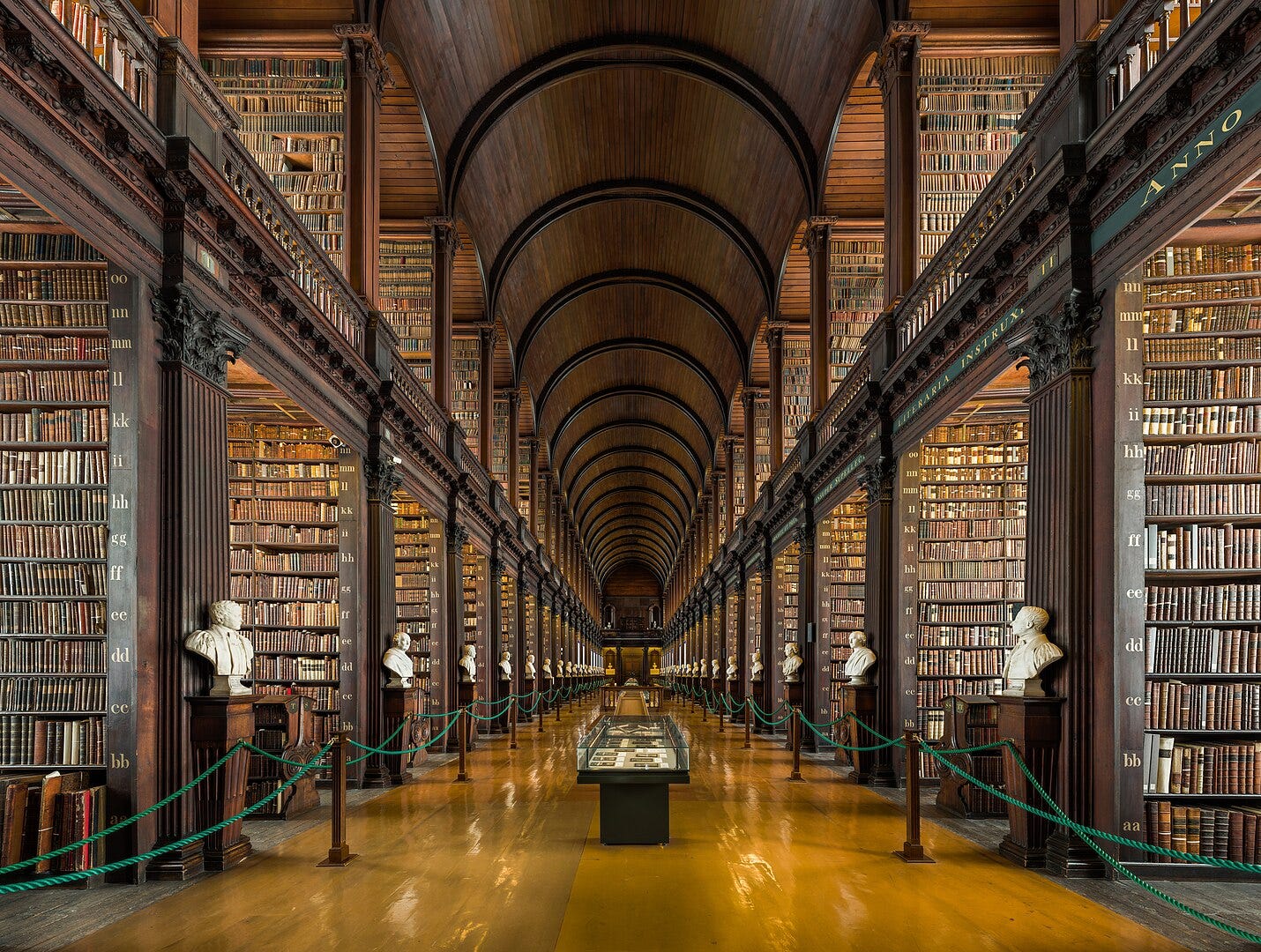
When I moved on and studied for a M.A. I had access to inter-library loans, and I experienced my first stint as a research student at another library: Trinity College in Dublin (TCD), which seemed arcane, with unusual terms and rules.
TCD has one of only three Legal Deposit libraries in the UK and Ireland — which means it keeps a copy of every book published on the two islands. I got a glimpse of what it meant to have access to a phenomenal range of titles, although as an outside research student I didn’t have borrowing rights. (Years later I experienced the joy of having full access when I was a postgraduate student in TCD.)
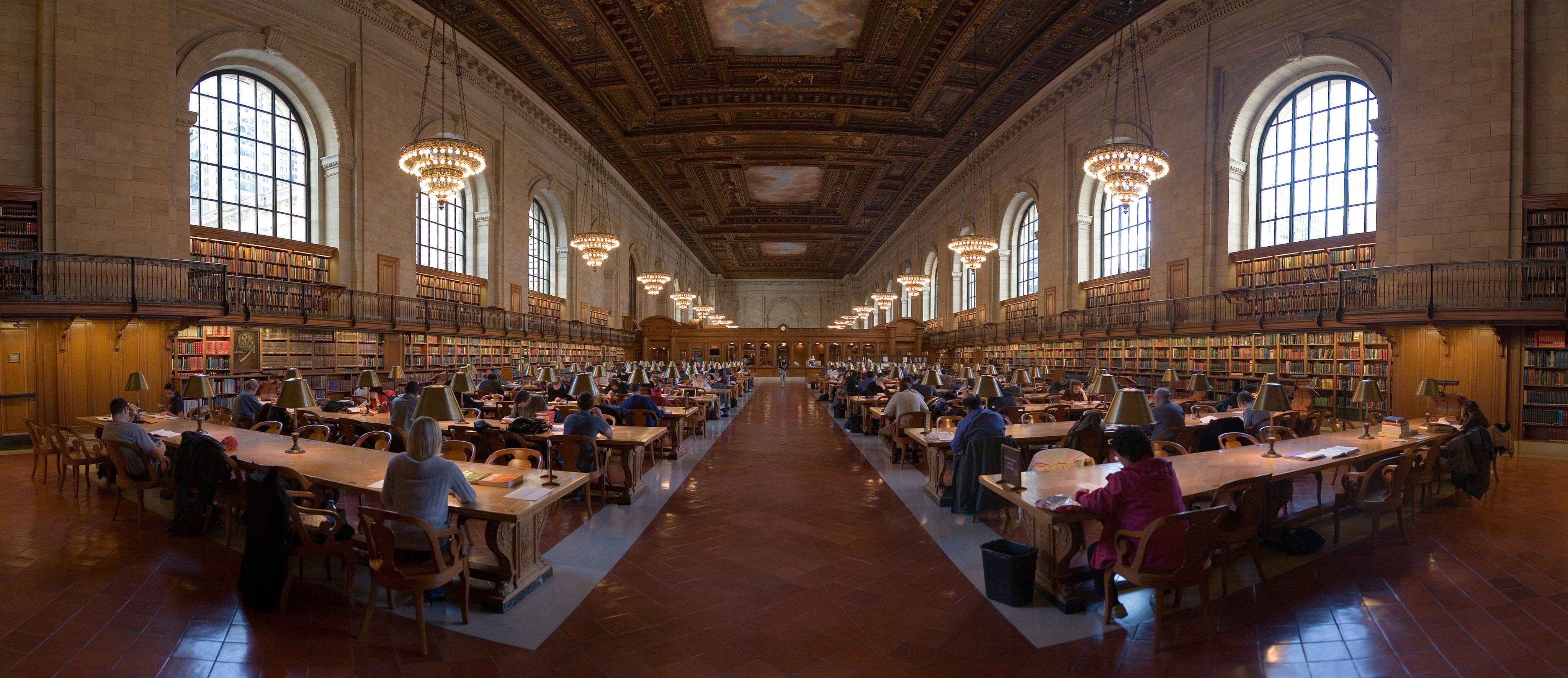
It was during that era that I used my summer working in New York to access the New York Public Library at its main branch at midtown in Manhattan. With its impressive facade and giant stone lions protecting its marble staircase, it is an iconic image of what libraries mean on on the mythic level of human consciousness: the domicile of knowledge.
It’s estimated that libraries began as institutions around 5,000 years ago when humans began to collect and organise information — pressed into clay tablets back then.
‘The world’s oldest known library is believed to be The Library of Ashurbanipal, which was founded sometime in the 7th century B.C. for the “royal contemplation” of the Assyrian ruler Ashurbanipal. Located in Nineveh in modern day Iraq, the site included a trove of some 30,000 cuneiform tablets organized according to subject matter. The library, named after Ashurbanipal, in fact the last great king of the Assyrian Empire, is a collection of more than 30,000 clay tablets and fragments containing contemporary texts of all kinds, including a number in various languages.’1
Some of humanity’s greatest information disasters have occurred when troves of texts were destroyed and people were severed from their inheritance of knowledge. It’s long been understood by invaders and dictators that to eradicate a people’s knowledge base is to cut them off from their culture and control their future.2

Despite our era of digitised books, libraries have remained relevant by expanding their services. They remain important social hubs for meetings, provide access to the Internet, and a warm place for those in need of a refuge, but thanks to twenty-first century Irish libraries, I can also study online courses, borrow ebooks, CDs, audiobooks, read any magazine I want online, and order physical books from libraries across Ireland and collect them at my local one.
Irish people borrow 10 million items a year, which is about two per person in the Republic. When you consider that all of this is delivered free of charge (well, funded by our taxes) it’s a fantastic resource for tremendous value.3
This is a gargantuan leap from the genesis of libraries in Ireland!
During the era of early Christian monasteries (6th–12th centuries), the large institutions of learning at such locations as Clonmacnoise, Bangor, and Glendalough became renowned for possessing tech-screptra, the Irish term for ‘houses of manuscripts’. In A smaller social history of ancient Ireland, P.W. Joyce recounts:
‘The books in a library were usually kept, not on shelves, but in satchels, generally of leather, hung on pegs or racks round the walls: each satchel containing one or more manuscript volumes and labelled on the outside. Satchels were very generally employed to carry books about from place to place; commonly slung from the shoulder by one or more straps. Manuscripts that were greatly valued were kept in elaborately wrought and beautifully ornamented leather covers…’
These exquisite libraries were devastated by various invasions of Ireland instigated by the Vikings, the Anglo-Normans and the Tudors. Yet, due to the renewed interest in manuscript collecting across Europe during the Renaissance and Reformation periods, some of these rare old texts were scooped up by universities and private collectors.
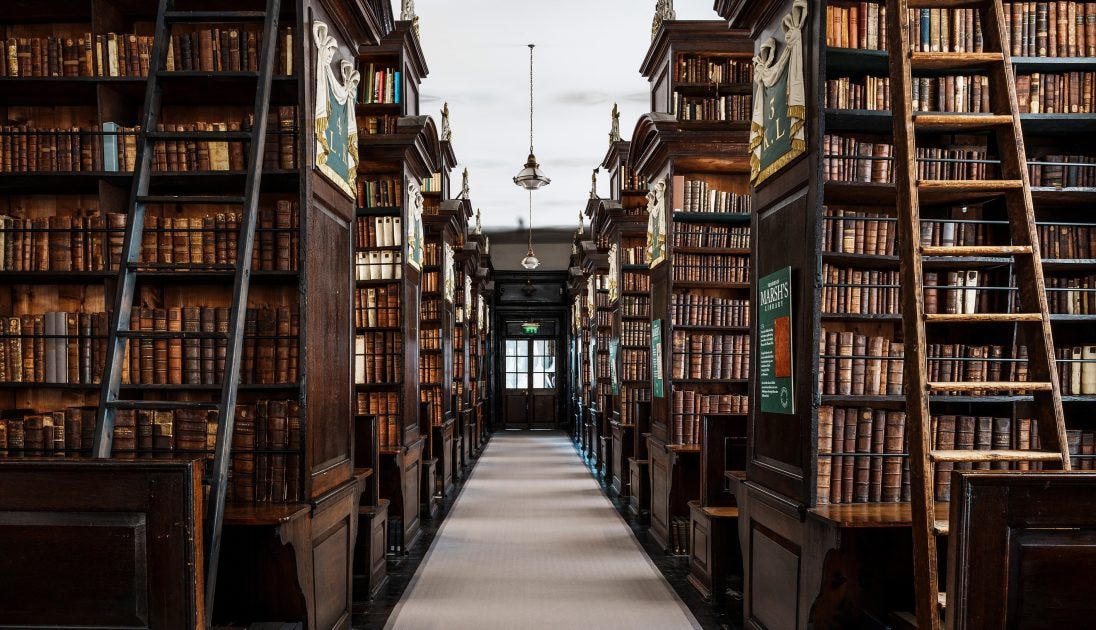
Ireland’s first public library, Marsh’s Library, was funded by Archbishop Narcissus Marsh, a Church of Ireland clergyman, academic and book lover who wished to provide access to texts to all who appreciated learning. It was incorporated in 1707 by an Act of Irish Parliament called ‘An Act for Settling and Preserving a Public Library for Ever’. ‘Today, it is a charitable trust open to the general public, students and scholars, and is independent of any and all other institutions and entities.’4
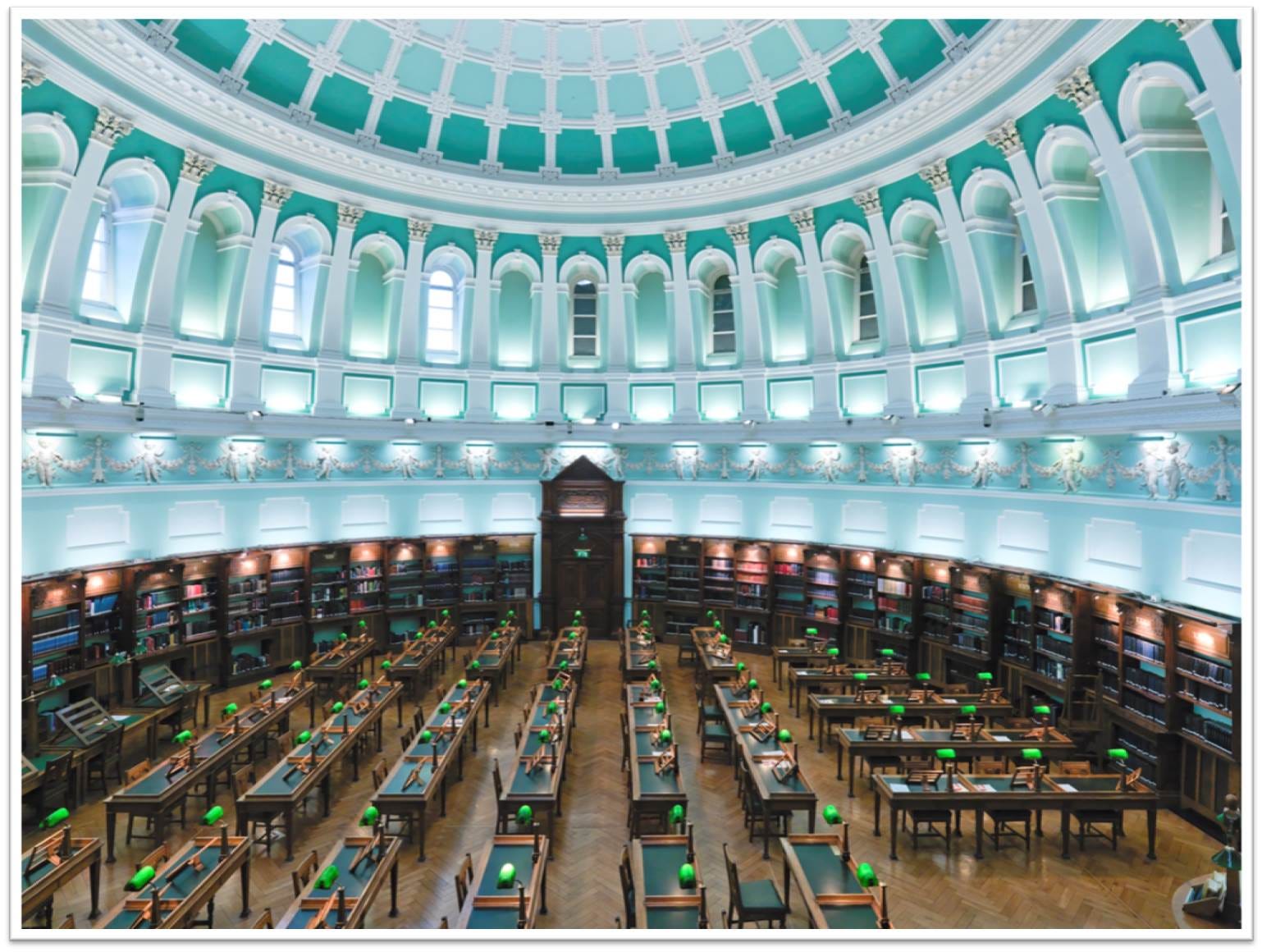
The Public Libraries (Ireland) Acts of 1855 enabled towns with a population of 5,000 or more to establish a library and levy a rate to a maximum of one penny to support it. Dundalk opened the first library under this act in 1858, followed by Sligo and Cork. In 1877 the National Library of Ireland was formally established by the Dublin Science and Art Museum Act, and it inherited the bulk of the collections of the Royal Dublin Society (RDS). Libraries began to spring up across Ireland as literacy rates across all social classes began to increase rapidly.
After Irish independence in the 20th century, the National Library continued to grow under state management5 and county and urban libraries multiplied under the control of local authorities, to support literacy and community education.

This past weekend I was a guest at the Ballinasloe Library’s Comic Con, where a gaggle of young kids listened (and asked great questions) about the ins and outs of creating comic books. The librarians were enthusiastic and had an excellent array of graphic novels available to borrow. Comics were few and far between when I was growing up, so this is a fantastic new addition to the collective.
And the dreaded fines… they’re an artefact of the past. I receive an email warning me if one of my books is approaching its due date and I can renew it online. I can return it to any library branch (or the drop-off box posted outside) without fear of librarian approbation!
Two of the first things I do when I move into a new area: register to vote and join the library. I’m grateful to live in a place where I have these freedoms.
In a world where information online can sometimes be contradictory, it is important to maintain access to physical books. While I buy a great deal of ebooks now, when it comes to art and reference volumes by experts in their fields, I prefer the physical text. These are the books I consult when I wish to guarantee precision, and I never shed them from my home library.
Libraries — and librarians — are easy to overlook when they do their jobs well, but it’s useful to step back and marvel at this incredible and precious resource, which provides such an essential contribution to our understanding of the world and each other.
‘A Brief History of Libraries’ by Vicky Chilton.
In an era of cloud-based data sorted on massive server farms around the world, our access to always-on information is not always robust, as recent web-based service outages have demonstrated.
And in some libraries you can borrow musical instruments too. ‘In praise of thriving local libraries’, by Joanne Hunt.
‘In 2005, the NLI was established as an autonomous national cultural institution under the National Cultural Institutions Act 1997, with a Director and a Board replacing a Council of Trustees that had been established in 1881.’ NLI web site.
I like the perspective that our libraries are our home books. The ones we grew up with. I vaguely remember reading a "big kid" book on my way to Florida with my family at 6 years old in 1988. I wish I knew what that book was now. But that led to lots of Sweet Valley High and later, Stephen King and now the incredible @joehill who's King Sorrow book came out today.
Thanks for all this wonderful information. I was wondering what your newsletter would be comprised of today as there are two comets passing by as well. I love learning from you. ❤️please keep helping to expand my mind! ✨️🤗📚 have a great rest of your week. ♥️
Hi Maura, Loved the article and the memory of the Long Room. I’ve sent you an email on another topic, did you get it?