

Rejoyance
a word for when joy returns after an absence

Dear word explorer,
Recently I recovered my joy and passion for taking photographs.
About eighteen months ago I experienced a dwindling appetite to take pictures which morphed into complete disinterest. It felt like a tiny death in my soul.
I would regard a scene in nature, or an interesting collection of patterns, and instead of reaching for my camera, as I had done for at least 18 years, I experienced a profound inertia. It was a combination of ‘why bother?’ with ‘meh.’
I was familiar with this sensation of loss of joy. It’s referred to as anhedonia, from the Greek ‘an- (‘without’) and ‘hēdonē’ (pleasure’). It’s a clinical term used in psychology/psychiatry to describe the inability to derive pleasure from activities that previously were deemed fun.
It’s a common element in severe depression, and I was aware of it because I’d experienced it before, but it in its complete form, where it overwhelms and drains the colour out of life. This happened about fifteen years ago, and after a tough six-month period I emerged from a sepia-tone world into one where I could experience erratic bursts of wonder, until it eventually settled back into life’s regular rhythms that allow for temporary ups and downs.
It gives you a better perspective about ‘the blues’, which we all endure at times, and the acute difference between that and an entrenched shadowy malingerer that holds the soul in chains.
I knew what had provoked my photographic anhedonia: Instagram.
But to get to the root of this issue I need to go back to 2006 when I began to pay attention to photography in a more consistent fashion.
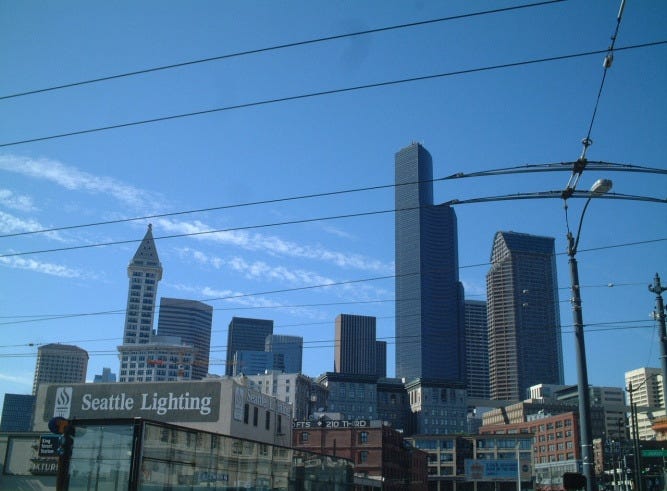
In the summer of 2006 I attended the six-week writing residency, known as the Clarion West Writers Workshop in Seattle, USA, which was one of the formative experiences of my early writing development. It reads like the basis of a reality TV show: take eighteen fledgling writers, have them live and eat together in a sorority house during a hot Seattle summer1, and ask them to produce a short story a week under the tutelage of esteemed writers in the science fiction/fantasy field, while also having to critique each other’s work. The schedule usually consisted of Monday-Friday morning sessions followed by free time in the afternoon during which we had to write and review the writing of our peers.
It’s a crucible, and not a format that’s going to suit everyone. I wrote a terrible first week story, followed by better material as the weeks wore on, but it’s a confronting experience and it requires you to dig deep into your creative resources to maintain the pace. I had to examine my capabilities while offering feedback on other people’s work. Inevitably, my insecurities came roaring up to offer opinions on my talent. I was wise enough to recognise these demons as self-manufactured and I wrestled with them as best I could in the privacy of my room.
To summarise: it was intense! In between periods of angst, humility, anxiety, and despair, I also had laughs, friendship, insights, excursions, and a growing confidence in my work.
Once I returned to Ireland after being away for seven weeks — very pleased to reunite with Martin and our dog Minnie — I experienced creative burnout. I couldn’t write fiction, I could barely edit a story. It was a common side-effect the residency facilitators warned us about. I’d been running on adrenaline, determination and caffeine (Seattle is indeed a coffee-lover’s paradise!), so I had a hard crash when I came back to ‘normal’.
It was at this point I began taking photographs on my daily walks with Minnie, and educating my ‘eye’. The practise gave me an outlet that did not aggravate the scorched sections that needed time to rest. It engaged a different set of brain cells that quenched the thirst to work actively with beauty. I came to love capturing moments of quirky, weird or sublime quintessence.
I did not have ambitions to be a professional photographer. I took pictures ‘for the love of it’, and without expectations. I understood the basic principal of artistry: if you do anything regularly you will improve. I started a Flickr account, and began to share my best images online.
Launched in 2004, Flickr was a pioneering photo-sharing platform in an era when ‘social media’ barely had any traction. When I joined it was growing in popularity, and offered a free or a ‘pro’ version that cost an annual fee, but gave you extra storage and other advantages. Big institutions joined (such as the National Library of Ireland), and began to digitise their collections and host them on Flickr. Most groundbreaking was the establishment of Flickr Commons, which was a searchable public archive of material using Creative Commons licenses (Wikimedia Commons was established later that same year).
Flickr also allowed people to set up ‘groups’ dedicated to specific subjects, which were administered by users, and they also had their own small forums. This initially fostered a huge community of people who loved beautiful images.
Over time, as social media platforms proliferated and mobile phone cameras improved in quality, it became normal for people to post their images on lots of different sites.
I had been a bit of a shutterbug since I bought my first digital camera in the late 1990s, and I had upgraded to different models over the years, but around 2018 I abandoned using an extra camera in favour of relying on my smartphone, since the quality was matching my little Canon Ixus, and I could easily upload photos online with my phone (it’s hard to recall how rapidly technology advanced from 2010 - 2020).
As a dedicated Flickr user I was loyal to the site, but I often uploaded photos to other social media platforms. I disdained Instagram for a long time, but around 2017 I created an account and began to add images. Almost immediately it grated on me: it had certain restrictions on size (in the beginning it insisted on square images) and a certain ‘Instagram aesthetic’ prevailed, partly fuelled by the filters it offered. It used the ‘infinity scroll’ to promote scrolling mindlessly and it offered frequent advertisements in between the accounts you followed. I felt the pressure to adhere to a certain style to catch attention, and I resisted it… mostly.
The problem was I was re-training my ‘eye’ but in a more unconscious fashion. I always consider the composition before I snap an image, and setting up a shot that will be cropped to a square requires a deliberate change in your process. Instagram-chic began to infiltrate my artistic sensibility, skewing it toward glossy sameness.
It’s worth noting that if you were creative in any field (filmmaker, writer, artist, fashion designer, musician etc.) it was pushed that you must have a social media presence. Publishers/agents/etc. would check your follower count before any other form of contact. I point this out to underline why everyone was being herded onto these sites. The pulse of anxiety, the desperate requirement to be visible in a world hustling for attention, kept the social media platforms churning with artists. Inevitably, the platforms began to specialise in reducing your reach in order to make you run faster on the hamster wheel.
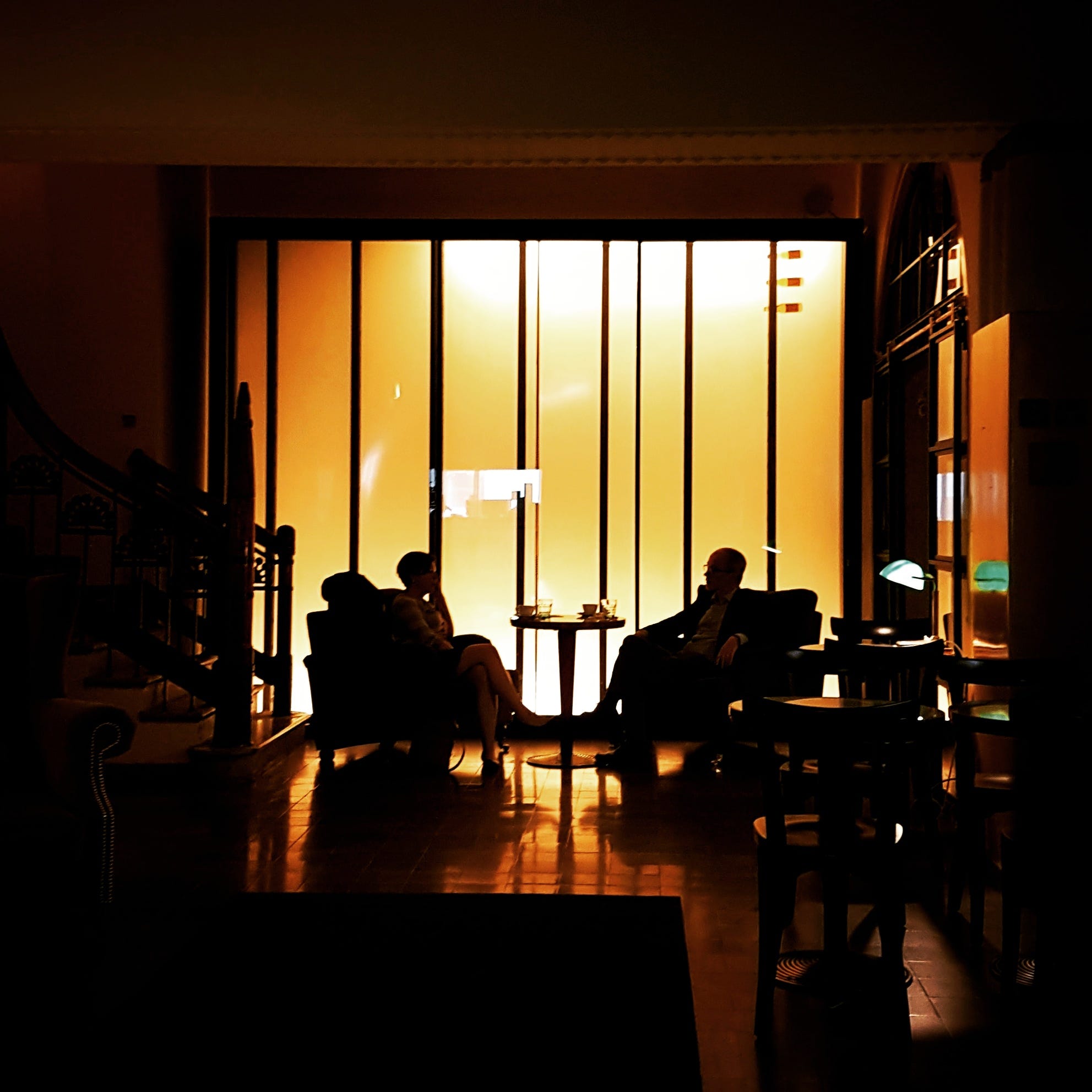
Instagram was founded in 2010, and in 2012 it was bought by Facebook. When I joined Instagram I was already disenchanted with Facebook and was scaling back my use, but Instagram remained its own separate encampment for a long time, but that changed.
Slowly, it introduced all the same tactics FB had employed that destroyed my interest on the site: throttling your feed so you could not see the people you followed, changing the algorithm all the time, and then it introduced Reels (mini-videos) and began to prioritise them over all over content. Soon, engagement dropped unless you participated in whatever random tactic Instagram favoured week-to-week.
By 2022/2023 I was reducing my use of most social media platforms. When Twitter began its descent into mayhem I tried a variety of alternatives but with each I felt the weight of awful antipathy. I’d worked in IT since 1997, I’d seen all the cycles, and the rise and fall of platforms. I was the ball bouncing about in a pinball machine, under the control of external forces. I opted out, except for the occasional promotion, and refocused on this newsletter.
My last hold-out was Instagram, but as I mentioned at the top, I stopped posting because my joy had vanished.
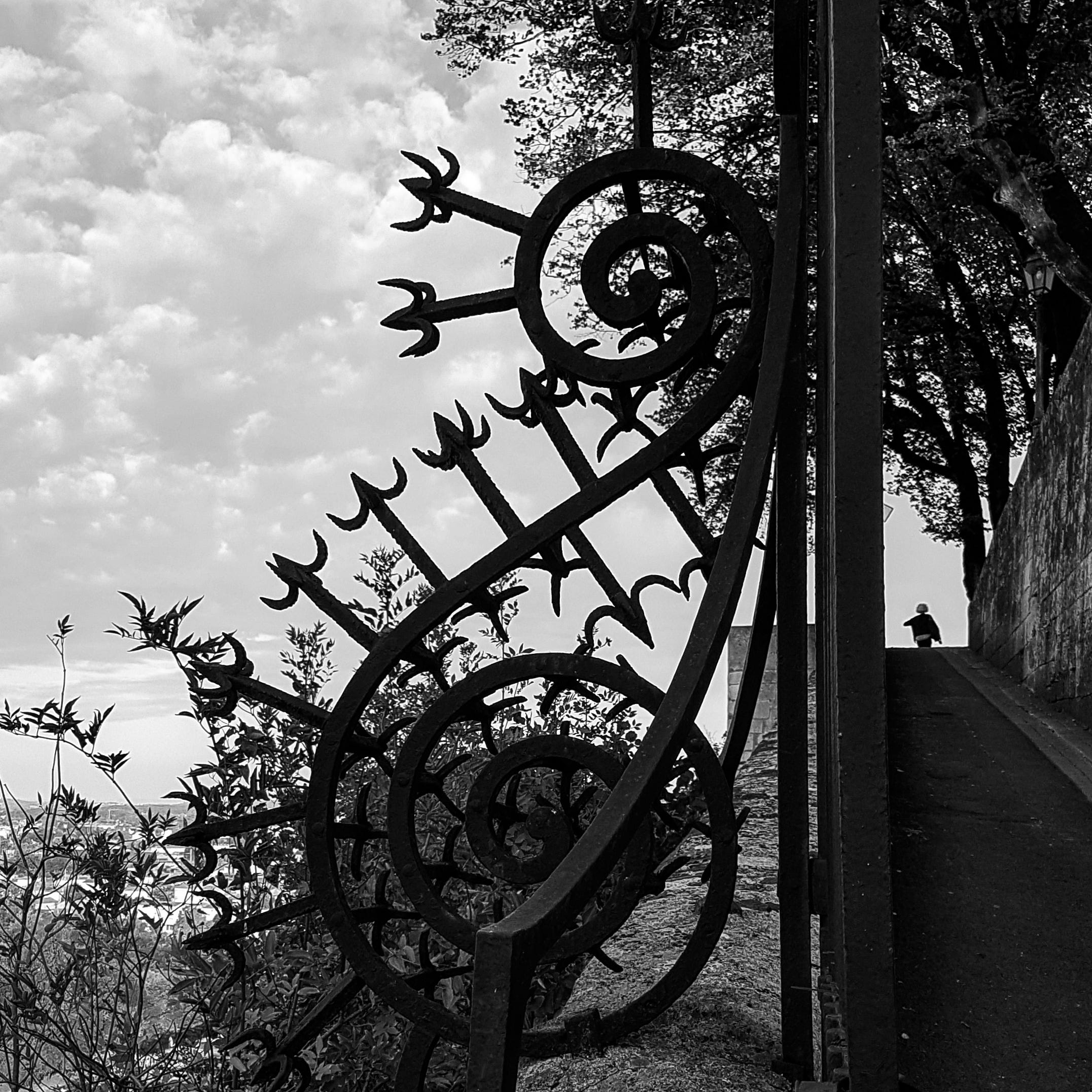
I didn’t plan to abandon Instagram. One day I didn’t upload anything, and it turned into weeks. Eventually I deleted the app from my phone.
Ultimately I asked: why? Who is this for? Is it refilling my creative well or draining it? Was it improving my art? Was it truly connecting me to other people?
For another ten or eleven months afterwards I snapped a couple of shots. Nothing motivated me.
Then, as Spring 2025 stirred, so did my interest. I hunted up my old camera, and I thought about all the reasons I stopped using it: its lack of Bluetooth and its proprietary rechargeable battery. I considered how everyone today emphasises making experiences ‘frictionless’. The idea is that if they are easier we will do them more often. If anything, this slippery stupefaction erodes our instincts.
I suggest adding a bit of friction into our everyday lives. When it comes to creative practices the only way to improve is to dedicate yourself to the craft and continue despite the challenges. The objective is not to avoid pressure, or make it painless, but to improve.
I compared my current phone camera and my old Canon point-and-shoot camera, and realised they were pretty equal, except the macro facility is superior on my Canon. I carry it around now, even though I use it less. I know when to pull it out if the shot demands it.
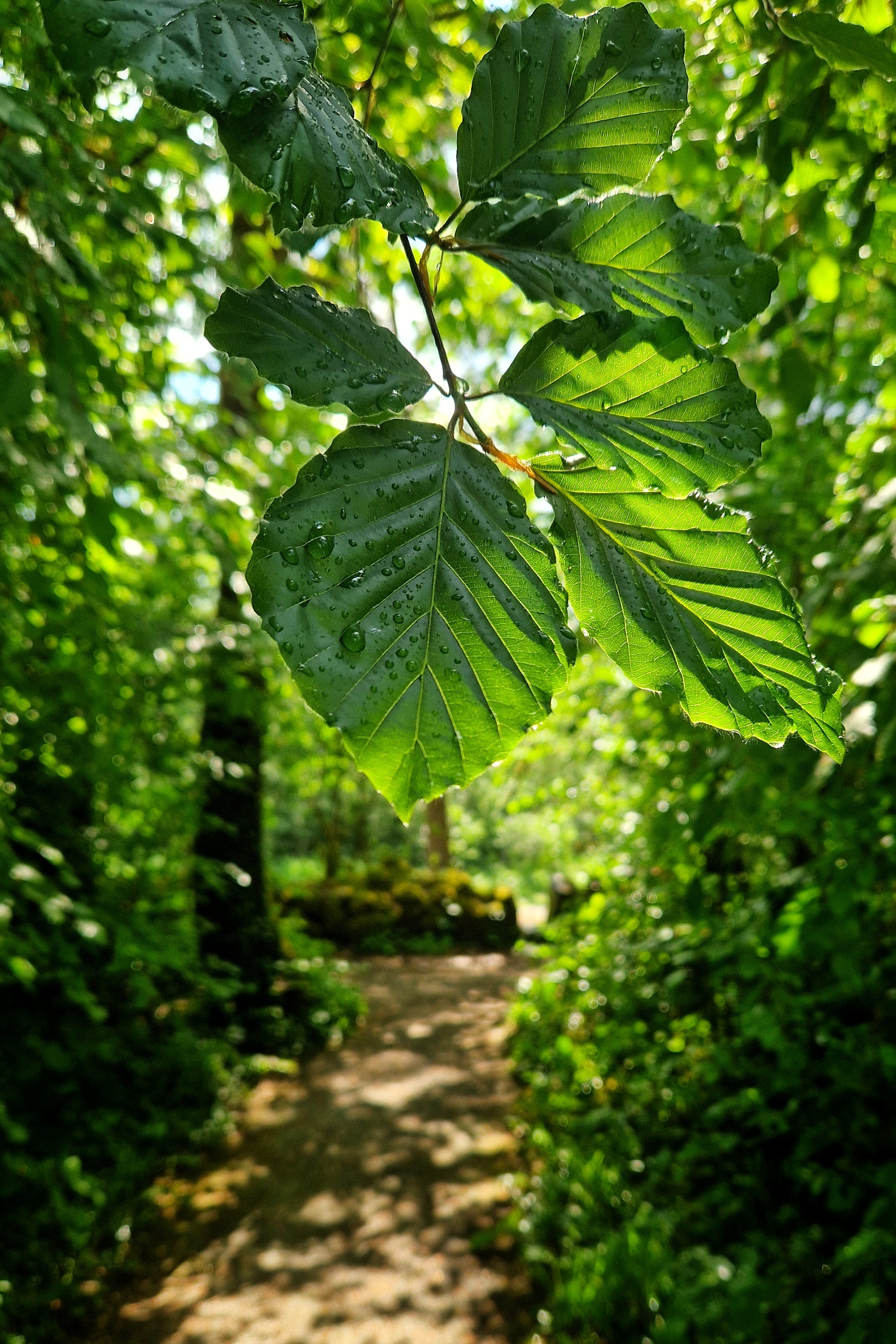
While writing this post I researched words that explain the loss of joy and its return. For instance, there is Saudade, a Portuguese word that expresses a nostalgic longing for something or someone you love but which is lost or absent. There are many words in many languages for yearning, longing, melancholia, a bittersweet ache, or a numb throb. There are almost none for the return of joy after its absence.2 I feel this is a concept that should be enworded. So, I decided that rejoyance is a good contender.
Recently, I returned to posting photos on Flickr. I’d continued to pay for the Pro account throughout the years, and this time I intend to use it fully. I’m happy with the old school ethos and the emphasis on photography (you can put videos up as well).
I have thousands and thousands of images on my drive at home. I’m selective with what I put online, and I do so because I love the pieces and I want to share them. If they get little or no attention that’s okay. I’m not there to fulfil a brief or to optimise a trend. I’m not trying to sell anything or promote my ‘brand’.
And the funny thing is I’ve had more views on my recent photos on Flickr than I had on Instagram in the previous year.
While that’s cool, it’s not the point. I’m not chasing love.
I’m sending it out.
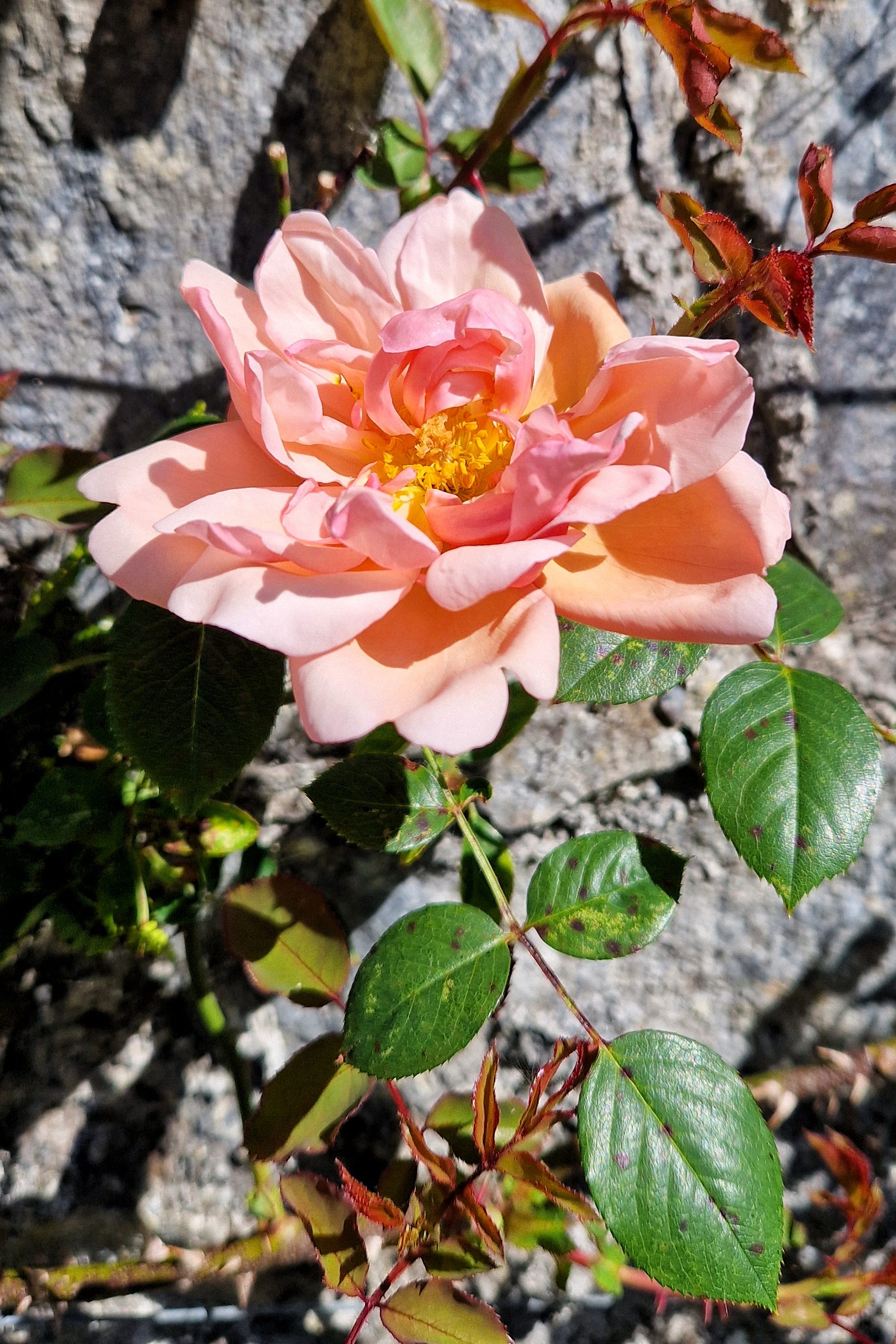
Seattleites love to complain about their rainy weather, but coming from Galway I realised their summer was a beautiful season compared to my experiences on the West Coast of Ireland. It spiked often into unbearable temperatures (we had no air-conditioning in our rooms).
A good option is the Yoruba word (it’s also a name) Ayotunde, which means joy has returned or joy has come. What a gorgeous sentiment!
There’s plenty to despise about the cynical tactics of the owners of the platforms you mention but frankly I would not be texting you like this today if it weren’t for them!