

Spectacle
Going to theatre and enthralled by performance

Dear word explorer,
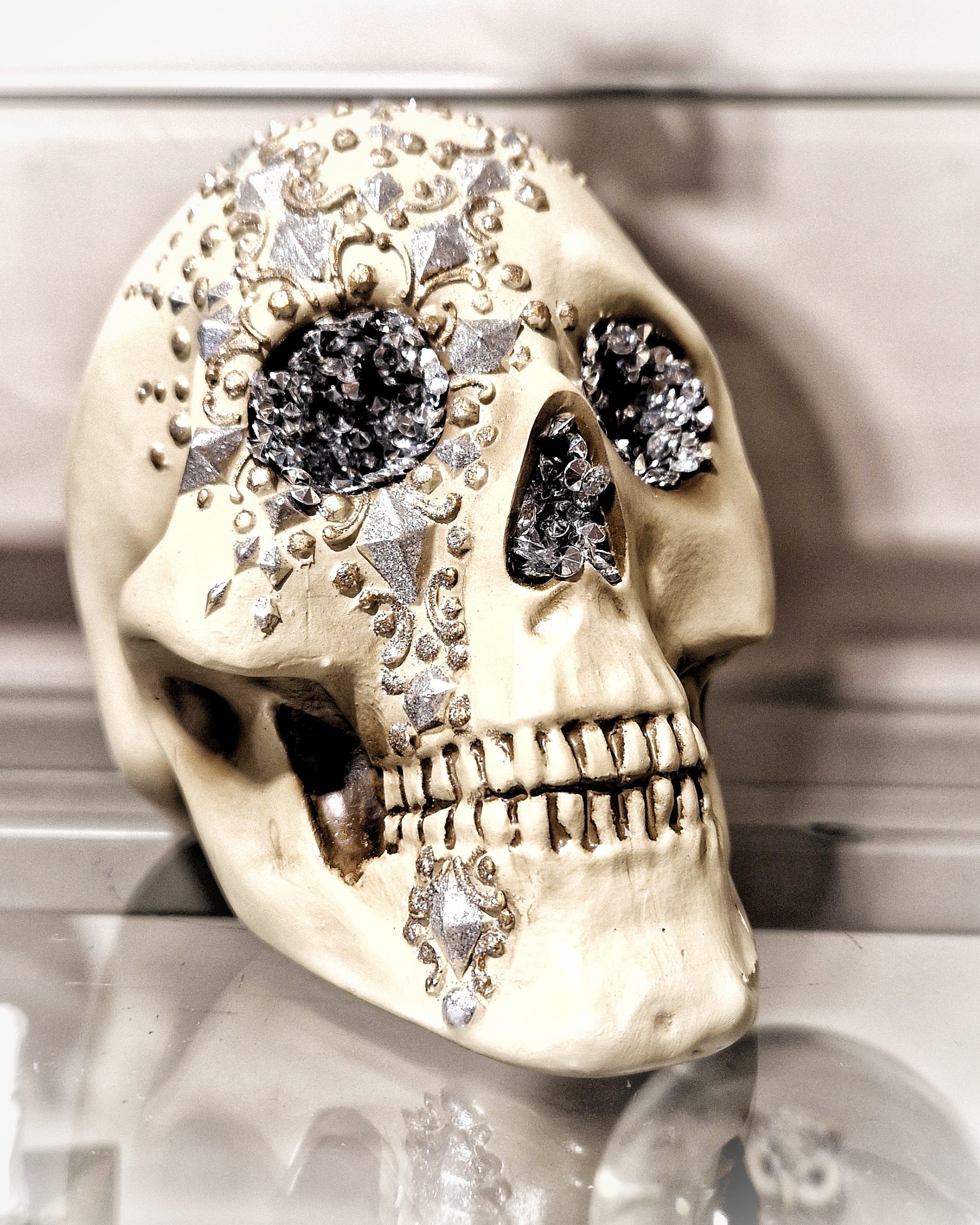
Beachwear is on sale, columns of school supplies dominate the shop floors, and autumn jackets will soon bedeck the racks. I’ve already spotted Halloween decorations creeping onto shelves… some might complain it’s premature, but not for my eerie tastes. Bring on the skulls and tombstones!1 That sight lifts my spirits more than phalanxes of suntan lotion.
The two-week Galway International Arts Festival ended on Sunday, a hurricane of culture that blew through the city streets, bringing magic and pageantry, crowds and traffic jams.
Do you have an events buddy? Someone who will happily attend the cinema, theatre or concerts with you? I’m lucky to be friends with theatre aficionados, and most of them know that if they suggest a cultural offering, and I’m within easy travel distance, I’m happy to join them for an excursion.
Thanks to a pal, I unexpectedly attended a few extra events in Galway this year, and as always I’m grateful for the prompt to experience dramatic inspiration. How the spirits soar when you are in good company at a stirring show!
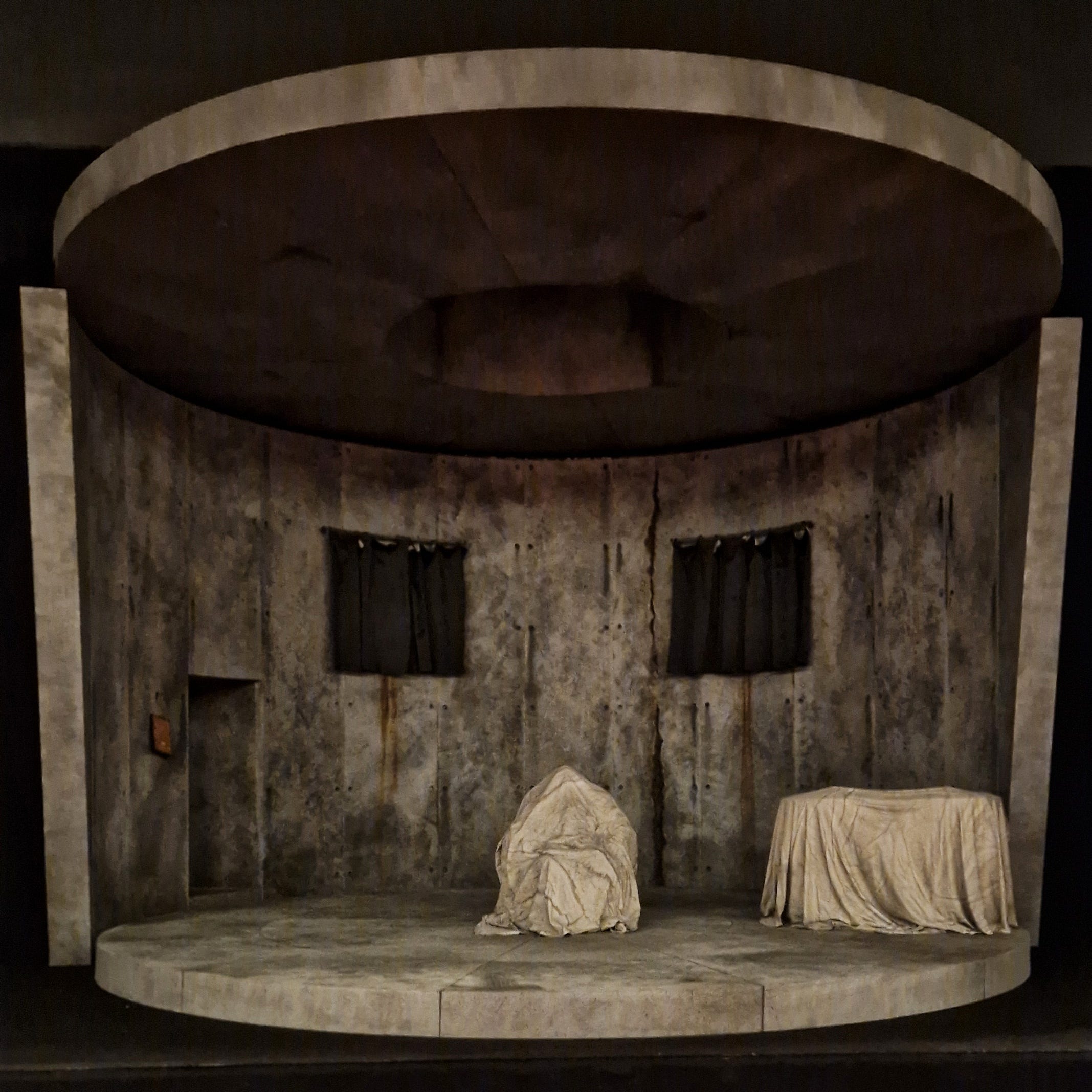
Galway’s Druid theatre company has an illustrious international reputation for staging striking plays, and their version of Samuel Beckett’s Endgame demonstrates their ability to enliven Beckett’s pared-down stories. I previously loved their production of Waiting for Godot, so I was keen to see how they’d handle Beckett’s more sombre material.2 This one-act play of people incapable of escaping their circumstances or their imminent, undefined end, is not a drama everyone is going to enjoy. The concrete bunker set design establishes the tone for this view of the implacable approach of decay and death.
The central co-dependent relationship between the chair-bound Hamm (Rory Nolan) and his servant Clov (Aaron Monaghan) is one of starts and stops, bickering and placating, reminiscences and remonstrating. For a time Hamm also harangues his parents3 who are immobilised in trash cans, until they sink and pass out of sight.
The play is about the need for and the futility of hope, but mostly it is a reminder that we rarely appreciate youth and good times when they are abundant.
I’m unsure if I need to experience this play live again, but I’m glad to have seen such a fine production, directed by Garry Hynes, and with an outstanding cast.
I’ve never experienced any of playwright Enda Walsh’s series of audible, immersive ‘rooms’ before, but my theatre buddy has seen them all and is an enthusiastic fan. Walsh created his first room at GIAF eleven years ago, and plans to continue as long as he’s allowed. They’ve toured all over the world at this point.
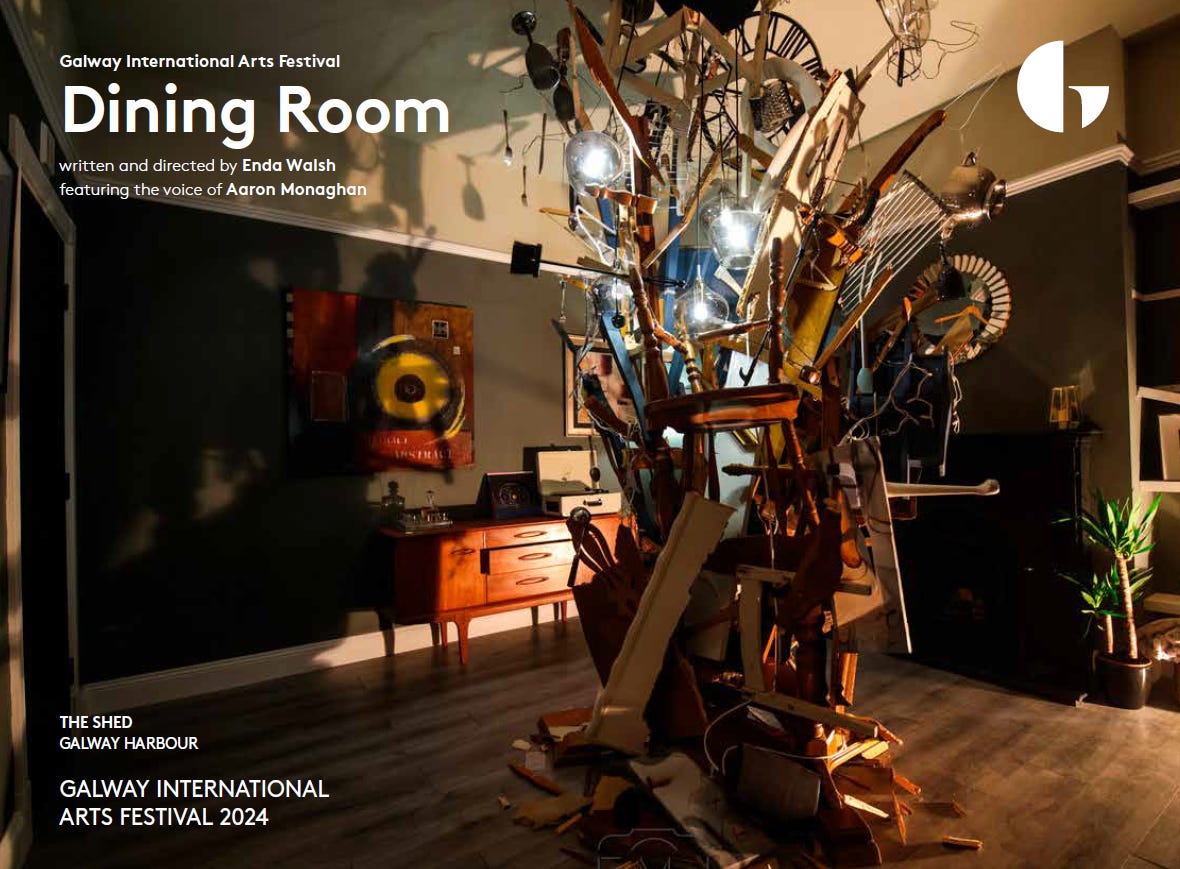
This year GIAF had two rooms: Changing Room and Dining Room. Each room is purpose built by designer Paul Fahy, and once you enter, you can examine the artefacts of the environment while you listen to the thirteen-minute story to accompany the space. It has a haunting quality — you are both within the narrative and an outsider; you witness the aftermath of the events and then discover their relevance.
Marty Rea is the narrator of Changing Room, which features a concrete public changing room for a beach with reminders of Covid-era restrictions. The story is about Cathal, a man who has lived a closeted, small-town life, but is weirdly liberated from his self-imposed restrictions by taking an interest in sea swimming when the entire world is locked down. It’s a poignant story with an uplifting ending, and warmly acted by Rea.
Dining Room is a tour-de-force rendition by actor Aaron Monaghan, who relates the story of Fergal, a wronged B&B owner, through a series of voice messages, spoken with verve and speed at the beginning. This cracking monologue provokes many laugh out loud moments, but it also lends weight to the sedate pace of the final section, which explains the ominous reason for the deconstructed dining room furniture at the centre of the room.
I was inspired by the concept, the work and the acting, and it gave me a plenty to ponder about audio writing and setting. Kudos to all involved, and I will certainly enter another ‘room’ the next time I get a chance.
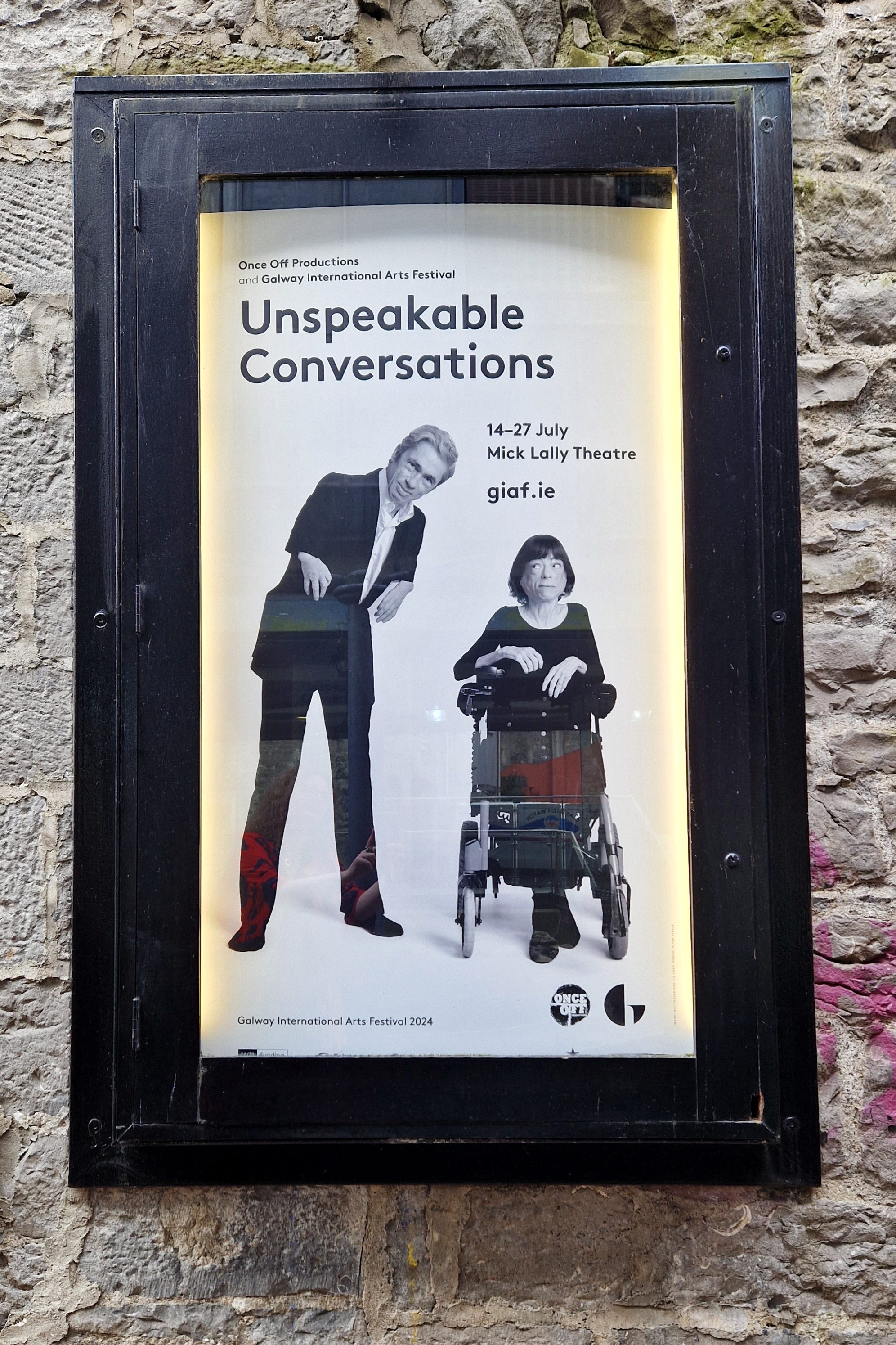
Unspeakable Conversations was written by Christian O’Reilly in collaboration with Liz Carr, Mat Fraser and Olwen Fouéré, and directed by Olwen Fouéré and Kellie Hughes. I know Christian, and his work is always thoughtful, funny and humane, and with this play he has forged a remarkable narrative in conjunction with his collaborators.
The core of the work is an adaptation of Harriet McBryde Johnson’s 2003 New York Times Magazine article, ‘Unspeakable Conversations’, in which the attorney and disability rights activist recounts her discussions with Princeton-based philosopher, Peter Singer, about his arguments regarding disability and the right to life.
Internationally acclaimed disabled actors Liz Carr [Silent Witness; Loki; Olivier Award winner; The Normal Heart National Theatre, London] and Mat Fraser [American Horror Story; His Dark Materials, Loudermilk, Richard III] take to the stage as Harriet and Peter, but also as themselves, as friends and actors, to interrogate this unspeakable conversation through humour and personal insight, mixing verbatim text with their own words.
This is a complex interweaving of a past interaction between Johnson and Singer, and the actors Carr and Fraser, and it serves as a reminder that philosophical arguments have impacts on real-world people. It underscores the importance of including the voices of those whose lives are directly affected by these conversations. It was by turns funny, joyful, serious and thought-provoking, and an honest look at a subject that many of us unaffected by disability can avoid.
The play was helped by being in Druid’s compact and convivial Mick Lally Theatre, which lent it a personal atmosphere. It is a remarkable achievement, and I hope many people have the opportunity to see it in the future.
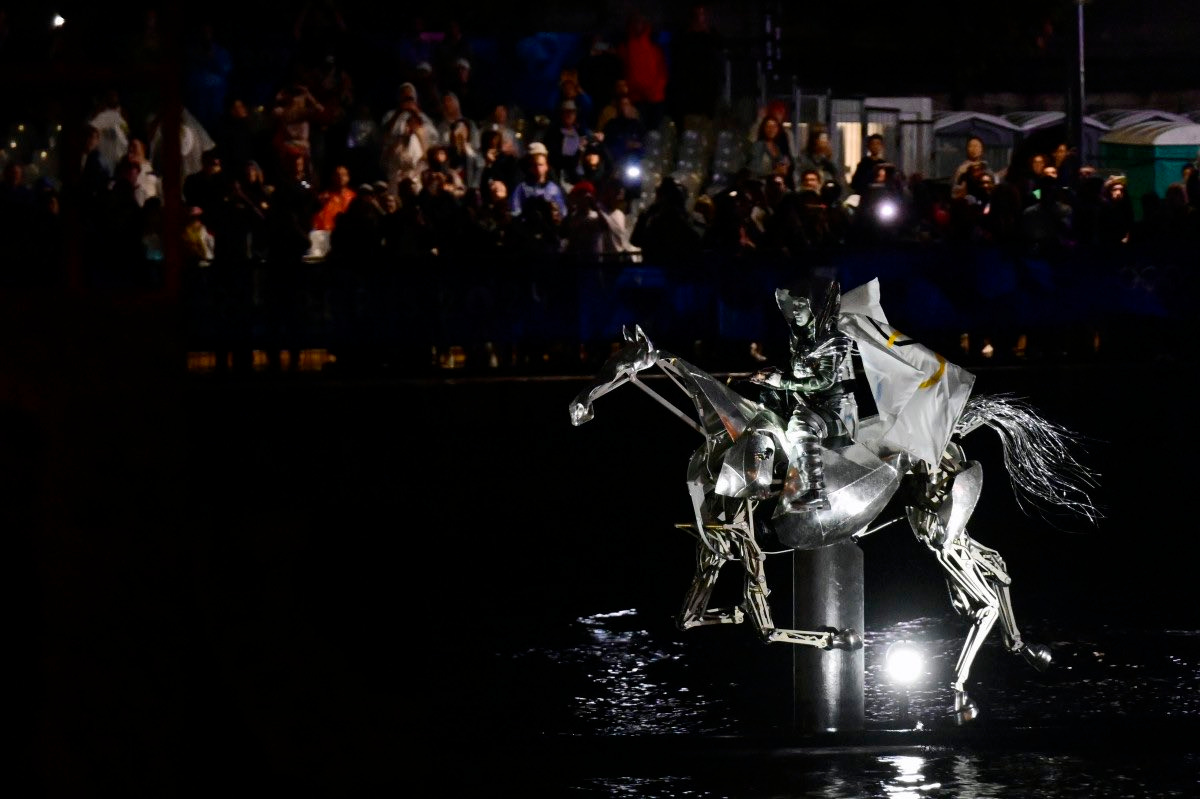
After an invigorating day of theatre, I returned home and turned on the opening ceremony of the Olympic Games in Paris4, which was fun, outrageous and a fantastic triumph despite the weather.
I adored the underlying conceit of bringing the extravaganza to the people, and its endless joie de vivre despite torrential rain — it could have been taking place in Ireland, except for the magnificent architecture, palaces and gardens!
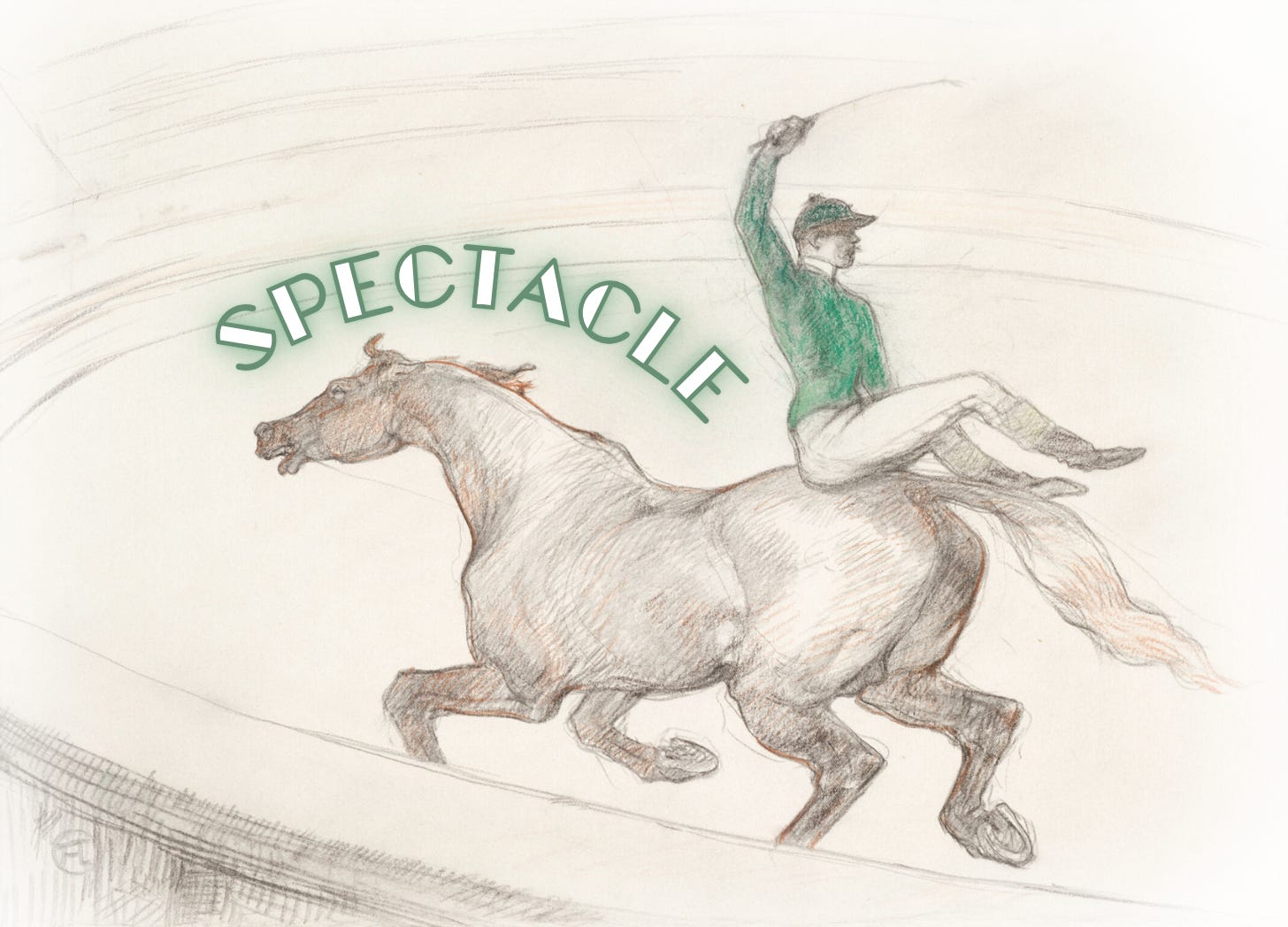
Yes, it was a long event, but I loved it all, especially its understanding of spectacle.
A mysterious torch-bearing stranger parkoured all over the city while a flotilla of international athletes waved to the throngs overlooking the river. There was a song and dance number celebrating the workers who are rebuilding the Notre Dame, a beautiful version of ‘La Marseillaise’ by Mezzo soprano, Axelle Saint-Cirel, who wore French colours and perched on top of the Grand Palais, dancers and singers represented all genres of French music, and a blue Dionysus celebrated the fête with sashaying clothes designers. The Olympic cauldron was lit by a flame that was first sparked in Greece in April this year, and travelled all over Europe to that moment, when it was lifted into the air by a hot air balloon. Finally, that outstanding version of Edith Piaf's Hymne à l'amour, belted out by Celine Dion, who overcame debilitating illness to wow the world.
Hymn to Love, was written in 1949 by Édith Piaf with music by Marguerite Monnot, and was composed as a tribute to the love of her life, the French boxer, Marcel Cerdan, who died in a plane crash that year.
It is so so French: tragedy and love, tied up together, but we keep going: we sing, we dine, we laugh, and we cry.
No wonder Beckett loved France.
You weep, and weep, for nothing, so as not to laugh, and little by little... you begin to grieve... You're on earth, there's no cure for that! Get out of here and love one another! Lick your neighbour as yourself! The end is in the beginning and yet you go on. (Hamm, speaking in Endgame)
It’s the only herald of seasonal change I enjoy arriving early.
Godot is cheery compared to Endgame.
Nagg, his father is played by Bosco Hogan, and his mother Nell is played by Marie Mullen, with distinct pathos and presence.
Thanks to the great team assembled by the artistic director of the ceremony, Thomas Jolly.